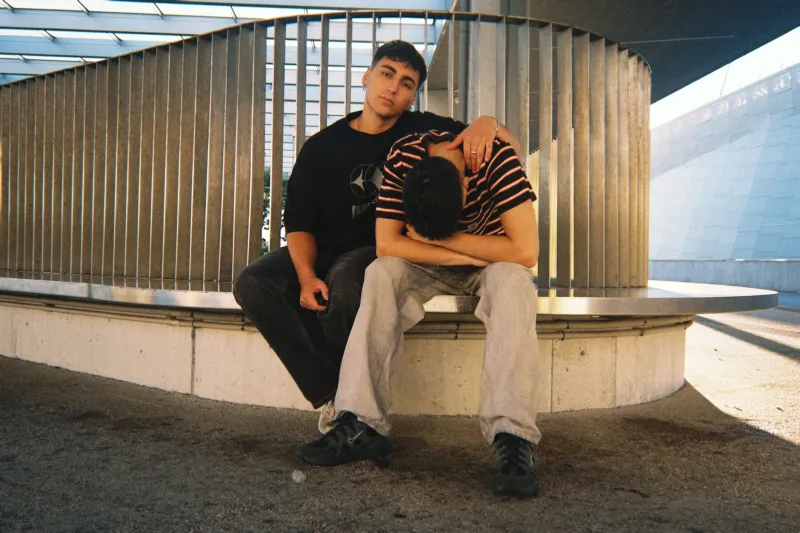
When the Body Rewrites the Dream: Rebuilding a Life Around a Diagnosis
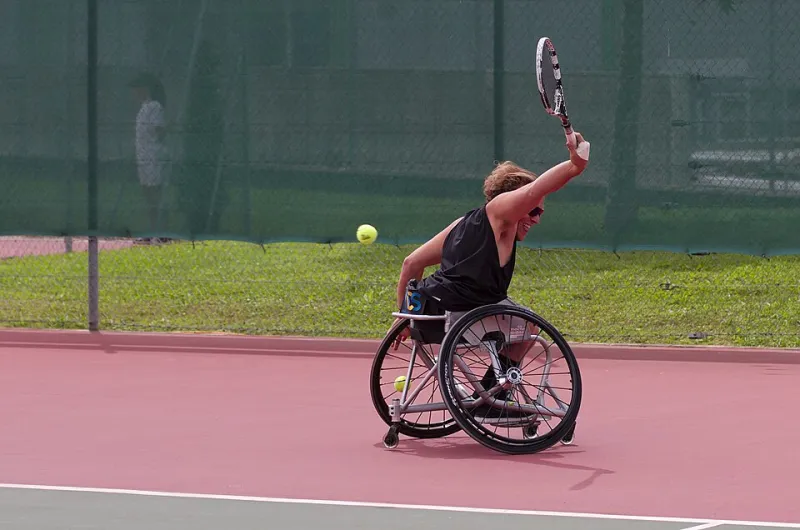
Photo: Clément Bucco-Lechat, CC BY-SA 3.0, via Wikimedia Commons
There's a particular kind of grief that doesn't get greeting cards. It's the grief of losing a future you'd already planned. The runner who's done the math on qualifying for Boston. The carpenter with twenty more years in his hands. The person who got the diagnosis and realized the life they were building and the body they were building it in had quietly parted ways.
Most recovery stories follow a shape: fall down, get up, return to the life you had, better. But what happens when the return trip is off the table? When the setback isn't a chapter but a co-author?
That's a different kind of comeback. And it might be the truest test of what it means to keep coming back.
The Dream That Doesn't Survive
Chronic illness, injury, and diagnosis don't just take health. They take identity. And identity is stickier than people realize — especially in America, where we've been trained since Little League to answer "who are you?" with "what do you do?"
The marathoner isn't someone who runs. She's someone who is a runner — the 5 a.m. alarms, the training blocks, the community, the way she orders her whole year around race calendars. Take the running away and you're not taking an activity. You're taking an organizing principle. Ask her who she is now and you'll get a long silence, because the honest answer is "I don't know yet."
That silence is where the real work happens. And the first task is brutal and simple: you have to grieve the original dream before you can build the next one. Not push through it. Not "stay positive." Grieve it. The person who skips this step usually ends up doing it later, at a worse time, with worse tools.
Adapting the Purpose, Not Abandoning It
Here's the pattern you see over and over in the stories that make it: the dream dies, but the purpose underneath it doesn't.
The runner's purpose was never biomechanics. It was discipline, altitude, the feeling of earning something daily, a community that speaks in splits and long runs. All of that can move to a new address — coaching, para-athletics, writing about the sport, mentoring the next kid with talent and no plan. The entrepreneur whose body forced a stop doesn't lose the builder in her. She might build slower, smaller, or in a completely different industry — or build other builders.
Purpose is surprisingly portable. The specific dream is not. Knowing the difference is the whole game.
A few questions that help sort it out:
- What did the original dream give me that I actually loved? Not the achievement — the daily experience of it.
- What am I still undeniably good at, even now? Diagnosis changes capabilities; it rarely changes character.
- Who did my old life connect me to, and are those connections portable too?
The answers are usually the raw material for version two.
The Pace Nobody Respects
There's a cultural impatience baked into comeback stories. Six weeks to a new you. Ninety days to a comeback. But rebuilding around a health reality runs on a clock that respects nothing on your calendar — flare-ups, fatigue, appointments, the sheer administrative weight of being a patient in the American healthcare system, which is a part-time job nobody applied for.
So the pace has to be redefined. Small sessions instead of heroic ones. Progress measured in months, not mornings. And critically: rest counted as work, not as failure. The people who rebuild successfully after a diagnosis tend to be the ones who stop negotiating with their bodies and start partnering with them — treating limitations as design constraints, not moral failings.
That's not lowering the bar. That's engineering for the body you actually have instead of the one you're nostalgic for.
Coming Back to What, Exactly?
The phrase at the heart of this site — keep coming back — assumes a return. But when health is the setback, the return looks different. You're not coming back to the life. You're coming back to yourself, to agency, to a sense that tomorrow is something you're building rather than enduring.
The marathoner who can't run but coaches kids who can. The contractor who trains apprentices because his hands can't swing the hammer but his eye still catches every mistake. The founder whose company is smaller and whose life is bigger.
None of them got the ending they wrote at the start. All of them got an ending worth having.
The original dream was a vehicle, not a destination. The destination — meaning, contribution, a life that's yours — survived the crash. It always was going to need a different car. That's not a consolation prize. For a lot of people, it turns out to be the better story.
Keep coming back. Even if the route changed. Especially if the route changed.