The Text at 5 A.M. Can Wait: Everyday Triggers That Don't Look Like Triggers

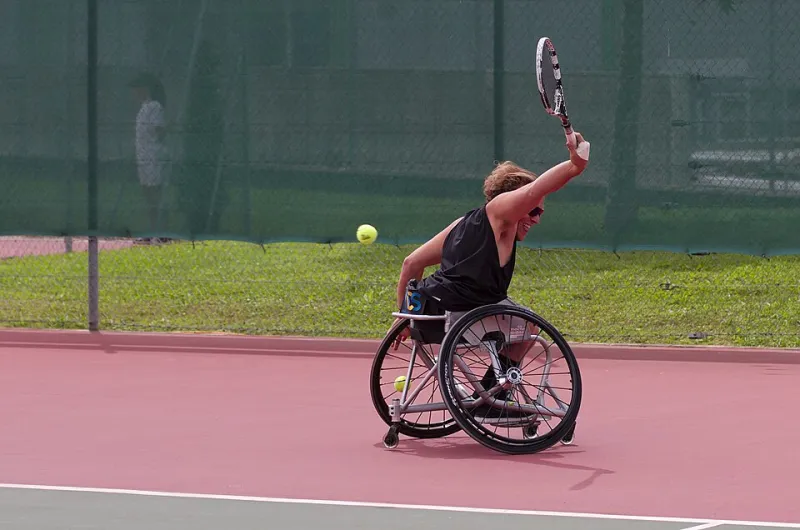
Photo: Photograph by Mike Peel (www.mikepeel.net)., CC BY-SA 4.0, via Wikimedia Commons
Nobody plans a relapse over breakfast. It doesn't work that way. What actually happens is smaller and sneakier: a route change, a notification, a Tuesday that feels too quiet. By the time the urge has a name, it's already got a head start.
The good news? Triggers lose most of their power the moment you can describe them out loud. So let's describe them — the everyday ones, the ones that don't look like danger at all.
The Commute That Runs Through Memory
Plenty of us drive past our old lives without thinking about it. The bar on the corner of Route 9. The dispensary two blocks from the gym. The house where the parties used to happen. When it's on your regular route, your brain doesn't flag it as a decision — it's just scenery. But it's scenery loaded with associations, and on a hard day, that scenery starts making offers.
The fix: Change the route before you need to. Waze has a "avoid" feature for a reason. If you can't reroute, build a ritual for the stretch — a specific playlist, a call to your sponsor scheduled at that exact time, a coffee order you pick up at the shop on the safe side of the intersection. You're not avoiding the memory. You're crowding it out.
The 'Just Checking In' Text
It's 5 a.m., your phone lights up, and it's the person you swore you were done with. Or the friend you only ever saw at the places you're not going anymore. The message is innocent enough: "Hey, been a while. Thinking of you."
Here's the thing — sometimes it genuinely is innocent. And sometimes it's a door you spent months locking, being pushed open with two words. Either way, you don't have to answer at 5 a.m. You don't have to answer today. Impulse thrives on urgency; recovery runs on delay.
The script: "Good to hear from you. I'm heads-down on some personal stuff right now, so I'm slow to reply. Hope you're well." That's it. It's honest, it's kind, and it doesn't open a conversation you're not ready to have. If they push, you've learned something important about why they texted.
The Post-Work Void
Ask anyone with real time in recovery what the hardest hour of the day is, and a lot of them will say the same thing: the stretch between getting home and going to bed. The workday gives you structure. The evening gives you nothing. And nothing, for a lot of us, used to be filled with something.
The void doesn't feel like a trigger. It feels like boredom, loneliness, restlessness — feelings we're quick to dismiss because they're not dramatic. But idle hours are where the negotiating happens. You've had a long week. You've earned it. Nobody would know.
The fix: You don't need a hobby, you need a placeholder. Something you do automatically in that window: the gym at 6, a standing call with your sister, cooking an actual dinner instead of whatever's fastest. The goal isn't to fill the void forever. It's to get through the vulnerable season while your new normal takes root.
The Holiday Highlight Reel
December and early January are trigger season in America, and it's not just the parties. It's the office happy hour you can't skip. The family gathering where someone you haven't seen in a year asks how you've been. The New Year's Eve countdown that everyone insists is fun. Layer on financial stress, family friction, and shorter darker days, and you've got a perfect storm wearing a bow.
The script for the nosy relative: "Things are actually really good — I've been focused on my health and it's paying off." True, deflecting, and boring enough that they'll move on to asking someone about their kids.
The script for the party: Arrive late, leave early, and drive yourself. Having your own keys is not pessimism. It's a plan.
The Celebration Nobody Warned You About
Here's the trigger that surprises people most: good news. The promotion, the anniversary, the month where everything finally clicks. We're taught to watch for stress, but a lot of relapses happen on the best day of someone's year — because the old life was part of how they celebrated, and the brain remembers that wiring even when everything else has changed.
The fix: Build new celebrations on purpose. Anniversary dinner at a restaurant with no bar in sight. A trip you've been saving for. Write the new script before the old one offers itself.
One Last Thing
If a trigger catches you anyway — if you send the text, take the detour, sit in the feeling too long — that's not failure. That's information. Every close call teaches you where your edges are. The people who stay in recovery long-term aren't the ones who never get tempted. They're the ones who got tempted, paid attention, and adjusted the plan.
Keep coming back. Even to this list. Especially to this list.