Open Doors: 7 U.S. Industries Where Your Past Doesn't Disqualify You
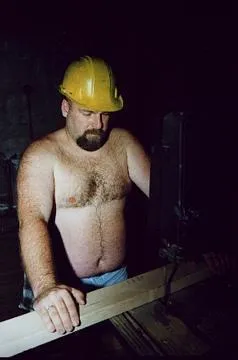
Photo: MyName (Ethelred), Public domain, via Wikimedia Commons
Let's be honest about something most career advice skips: when you're rebuilding after addiction, incarceration, or a serious mental health chapter, the standard job-hunt playbook—polish your résumé, work the room at a networking event—wasn't written with you in mind. Background checks, application questions about criminal history, employment gaps that demand explanation. The deck can feel stacked.
But it's less stacked than it used to be. Labor shortages, second-chance hiring initiatives, and a slowly shifting cultural attitude have opened real doors across the American economy. Here are seven industries where people in recovery are actually getting hired—and building careers, not just grabbing paychecks.
1. Peer Support and Behavioral Health
This might be the most direct path: your lived experience is the qualification. Peer recovery support specialists—certified in most states through a process that typically requires documented time in recovery, training hours, and an exam—work in hospitals, courts, treatment centers, and community nonprofits. Pay usually starts in the $18–$25/hour range depending on the state, and demand is growing fast as Medicaid reimbursement for peer services expands. Look up your state's certification board to get started.
2. Skilled Trades
Construction, electrical, plumbing, HVAC, and welding have a long, practical history of hiring people with records and rough pasts. The work is hands-on, the demand is severe—the country simply doesn't have enough tradespeople—and union apprenticeships in many regions don't automatically disqualify a felony record. Pre-apprenticeship programs specifically designed for returning citizens exist in most major metros; organizations like Homeboy Industries in Los Angeles and the Center for Employment Opportunities, which operates in multiple states, can be a foot in the door.
3. Hospitality and Food Service
Restaurants have quietly been one of the most forgiving industries in America for decades—partly out of necessity, partly because kitchen culture has always had a high tolerance for imperfect pasts. Better yet, several national chains and regional groups have formal second-chance hiring policies. MOD Pizza built its workforce model around hiring people with barriers to employment. So did Dave's Killer Bread's Second Chance network, which connects job seekers with employers who've pledged fair-chance hiring practices.
4. Logistics, Warehousing, and Manufacturing
The e-commerce boom made warehouse work one of the most accessible job markets in the country. Many large employers—including some of the biggest names in fulfillment—have relaxed screening around criminal history for hourly roles, and manufacturing employers in the Midwest and Southeast are often more focused on whether you'll show up than on what happened years ago. Certifications like OSHA safety cards and forklift operation can be earned in days, not months.
5. Nonprofits and Reentry Services
Community organizations working on housing, reentry, harm reduction, and workforce development frequently hire people who've lived the mission. There's a growing recognition—backed by research—that credible messengers get better outcomes. If you've navigated the system yourself, that's not a liability in this space; it's currency.
6. Transportation
Trucking has a persistent labor shortage and, in many cases, more flexible attitudes toward past mistakes—though it's not a blank check. DUIs and certain violations will limit your options, especially early on, but regional and local routes, delivery driving, and transit jobs are often attainable. Some carriers run second-chance programs and will sponsor CDL training, which normally costs several thousand dollars out of pocket.
7. Landscaping, Groundskeeping, and Green Trades
It's easy to overlook, but landscaping and related outdoor work employ a huge number of people rebuilding, and the barrier to entry is about as low as it gets. Therapeutic horticulture programs and prison-to-green-jobs initiatives in several states have also created pipelines specifically for people coming out of incarceration or treatment.
How to Talk About Your Past in an Interview
This is where most people freeze, so here's a workable formula: brief, honest, accountable, forward-looking.
- Brief: Two sentences. Not a memoir. "I went through a difficult period that involved substance use and some legal trouble. I've been in recovery for X years."
- Honest: Never lie on applications or in interviews. Lies get discovered in background checks and poison everything afterward.
- Accountable: Own it without over-explaining or blaming. Employers respect ownership far more than excuses.
- Forward-looking: Pivot fast to what you've built—certifications, sobriety, references, work ethic. "Since then I've completed my peer certification and I'm looking for a place to grow long-term."
You do not owe anyone the details. Recovery status is protected health information in many contexts, and you're never obligated to disclose a diagnosis. Share what's relevant, skip what isn't.
One Last Thing
The first job back probably isn't the destination. It's scaffolding. It's a paycheck, a routine, a reference, a reason to keep the structure that's holding your recovery together. Plenty of people take a warehouse job or a kitchen line and use it as a launchpad into something bigger.
The point isn't to land your dream role on day one. The point is to get one open door to say yes to you—so you can prove what you already know: that your past is a chapter, not the whole book.